Invention Heist

Versus · Dec. 18, 2026 · 11 min

Did the Supreme Court Crown Tesla? What the 1943 Ruling Says

Thumbnail of the video: Did the Supreme Court Crown Tesla? What the 1943 Ruling Says

Premieres Dec. 18, 2026 on YouTube

The short answer

  1. No. In Marconi Wireless Telegraph Co. of America v. United States, decided June 21, 1943, Tesla is not a party. The Marconi Company sued the United States government [1].
  2. The Court struck down the broad claims of one later Marconi patent. It rests that result on an earlier application by John Stone Stone, not on Tesla [1].
  3. The Court left Marconi's first patent alone, and it did not decide whether Stone's patent involved invention [1].
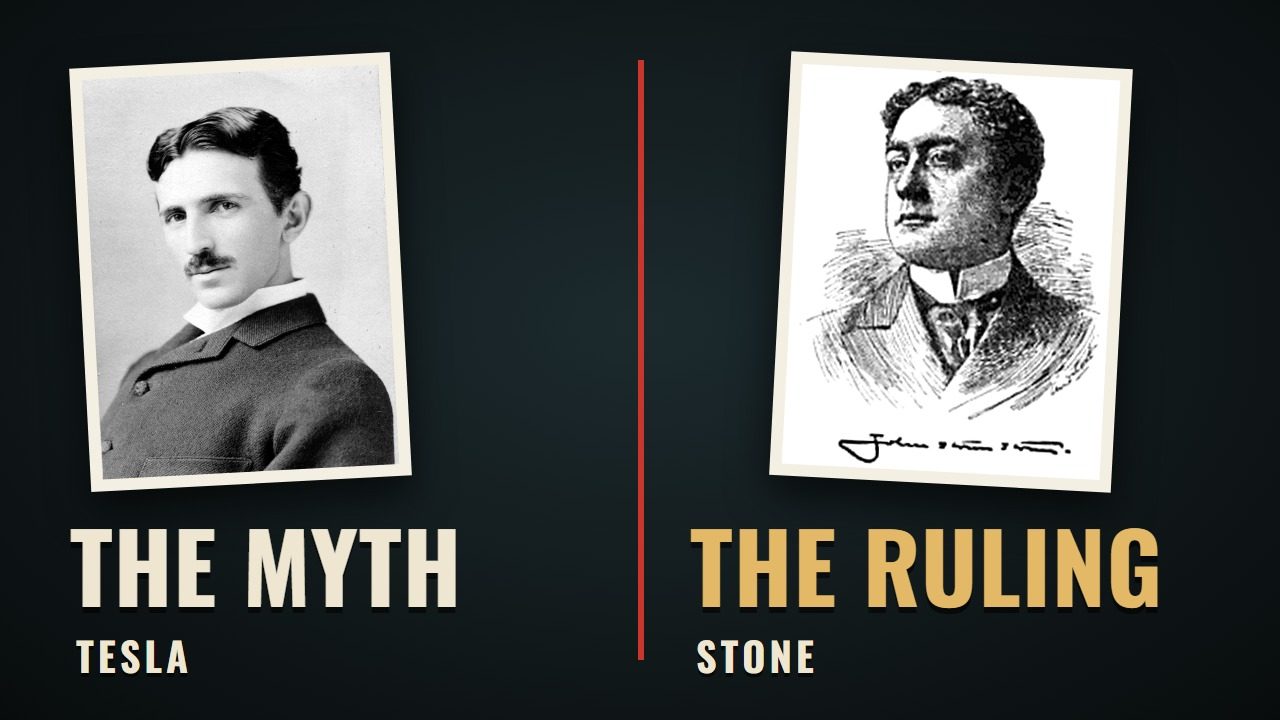
  4. In the majority opinion Tesla is an earlier patent. In one dissent he is a footnote. In the other he is a man of genius without the flash [1].

Timeline of Marconi v. United States

  1. Marconi's first radio patent, number 586,193. It is not part of this case. [6]

  2. Nikola Tesla applies for U.S. Patent 645,576. [3]

  3. Oliver Lodge applies for U.S. Patent 609,154, for an adjustable coil built to tune a wireless set. [4]

  4. John Stone Stone writes to a man named Baker, describing four circuits tuned "one to another and all to the same frequency." [1]

  5. Stone writes again that his transmitter is "practically the same as that employed by Tesla." [1]

  6. Stone applies for U.S. Patent 714,756, nine months before Marconi. [5]

  7. Marconi files the application for U.S. Patent 763,772. It is granted in 1904. [2]

  8. Marconi's signal crosses the Atlantic, from Cornwall to Newfoundland. [1]

  9. Stone adds to his application that the antenna circuits should be tuned. By then Marconi had already filed. [1]

  10. The Marconi Company sues the United States in the Court of Claims, saying government radio sets infringe four of its patents. [1]

  11. Reported by the CourtThe Court of Claims holds every claim in suit of patent 763,772 invalid except claim 16. We know this decision only as the Supreme Court describes it. [1]

  12. ReportedTesla dies, according to Physics Today. [7]

  13. The Supreme Court decides the case. [1]

The Marconi Company and the United States, side by side

What each side said is the position of a party, as the opinion records it. What the Court decided is in the table below.

Marconi Company

What the Marconi Company said, as a party

  • It claimed that radio sets used by the government infringed four of its patents, and it filed suit on July 29, 1916 [1].
  • The patent at the center, number 763,772, describes a radio with four circuits, two to send and two to receive, all adjusted to the same frequency [1][2].
  • In 1913 Marconi testified that, thanks to this patent, he had sent messages 6,600 miles [1].

United States

What the government said, as a party

  • As one justice summed it up, the government argued that tuning had been taught earlier by Tesla, Lodge and Stone. In patent law the word is anticipated [1].
  • In the Court of Claims it obtained a decision holding every claim in suit of patent 763,772 invalid except claim 16 [1].

What the Court decided

WhenWho decidedWhat the document saysExhibit
1935Court of Claims (as described by the Supreme Court)Every claim in suit of patent 763,772 invalid, except claim 16. For claim 16, $42,984.93 with interest.[1]
June 21, 1943Supreme Court, majority (Chief Justice Stone)Of Tesla's patent the Court writes "Tesla thus anticipated" several features of Marconi's patent. It also calls his apparatus one "devised primarily for the transmission of energy."[1]
June 21, 1943Supreme Court, majorityThe Court rests its decision on Stone's earlier date, calling Stone's letters "convincing proof." It reaches this result "without undertaking to determine whether Stone's patent involved invention."[1]
June 21, 1943Supreme Court, majorityMarconi's reputation as the man who first achieved successful radio transmission rests on his original patent, which is not before the Court. That reputation, "however well-deserved," does not entitle him to a patent for every later improvement.[1]
June 21, 1943Supreme Court, majorityOn the Atlantic signal of 1901, the Court says both Marconi engineers agree that "tuning played no part."[1]
June 21, 1943Supreme Court, majorityClaim 16 is vacated and sent back, because the Court of Claims had not looked at two earlier patents, by Pupin and Fessenden, in connection with it.[1]
June 21, 1943Justices Frankfurter, Roberts and Rutledge (partial dissents)Justice Rutledge's footnote reads "Tesla in fact did not use Hertzian waves." Justice Frankfurter writes that Marconi hit on something "that had eluded the best brains of the time," naming Maxwell, Lodge and Tesla.[1]

The case, chapter by chapter

0:00

Did the Supreme Court make Tesla the father of radio?

Many people say it did: Tesla, not Marconi, invented radio, and the highest court in America said so. The ruling they point to is dated June 21, 1943. Tesla had died five months earlier [1][7].

We read all of it: the Court's opinion and two dissents. Tesla is in it. But what the Court says about him is smaller than the myth, and stranger. Three questions run through the case: who was actually suing whom, what the Court really decided, and whose name it put on the page.
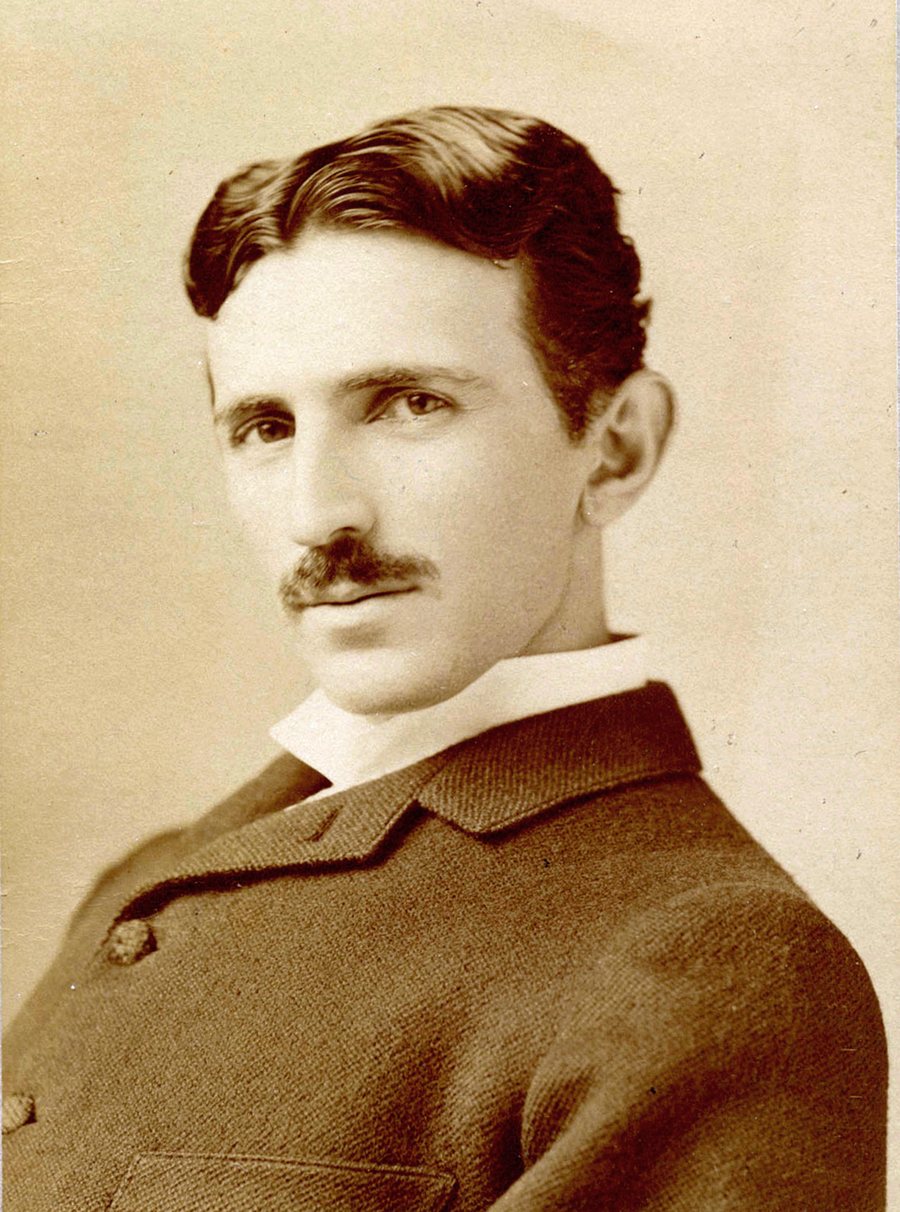
Portrait of Nikola Tesla, about 1893
Nikola Tesla, about 1893. Photo: Napoleon Sarony, public domain, via Wikimedia Commons.

1:01

Who sued whom in Marconi v. United States?

This is not Tesla against Marconi. Tesla is not a party. The Marconi Company sued the United States government, claiming that radio sets used by the government infringed four of its patents. The suit was filed on July 29, 1916 [1].

By the time the Supreme Court ruled, the case had lasted almost twenty-seven years, and Marconi himself had been dead for almost six [1][7]. The Court of Claims had thrown out nearly everything. In the patent at the center of the suit, number 763,772, it held every claim in suit invalid except claim 16, for which it awarded the Marconi Company $42,984.93, with interest [1].
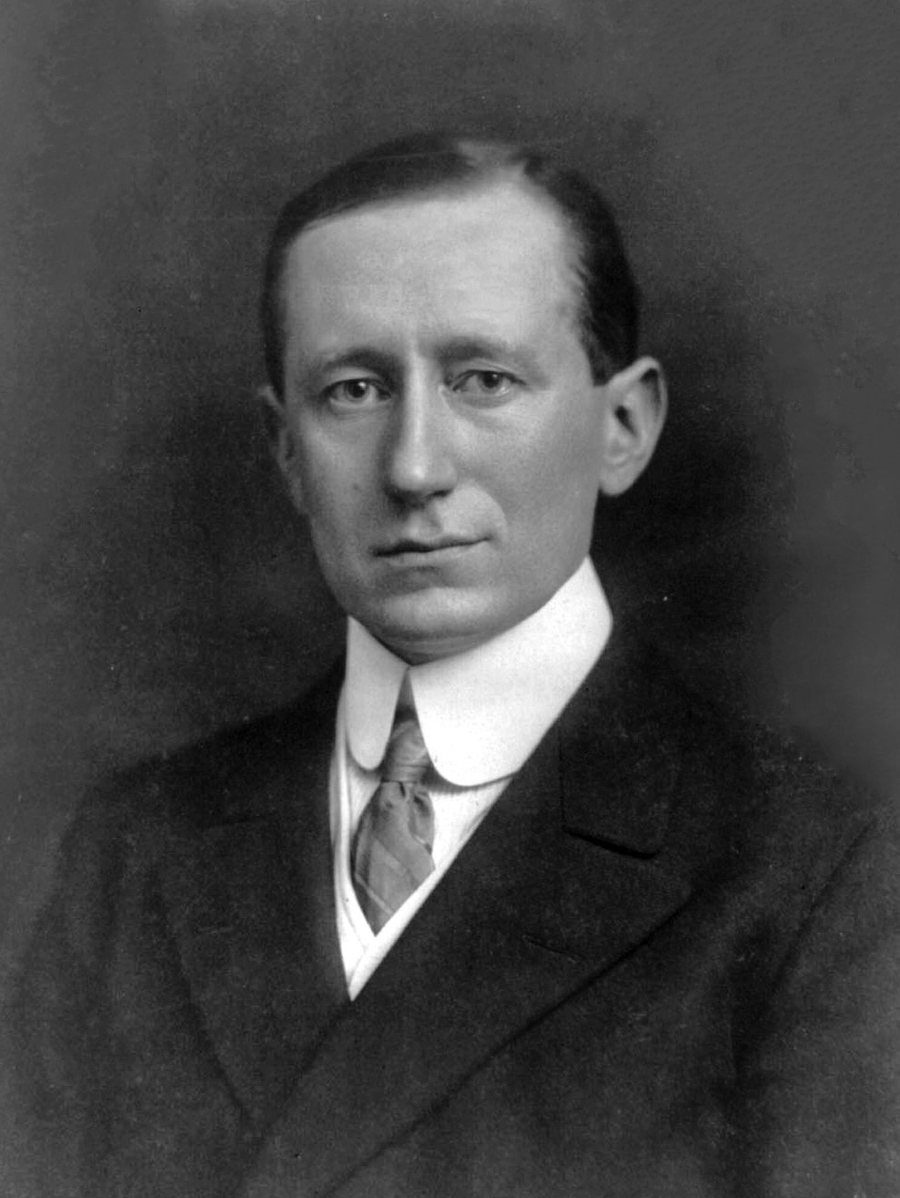
Portrait of Guglielmo Marconi, 1908
Guglielmo Marconi, 1908. Photo: Pach Brothers, Library of Congress, public domain, via Wikimedia Commons.

2:06

What was the tuning patent?

Patent 763,772 was filed on Nov. 10, 1900 and granted in 1904. It describes a radio with four circuits, two to send and two to receive, all adjusted to the same frequency. Tuning is what lets you turn a dial until one station comes in clean [1][2].

Marconi's first radio patent, from 1897, is not in this case [1][6]. So what, exactly, did the Court say was wrong with the patent that is?
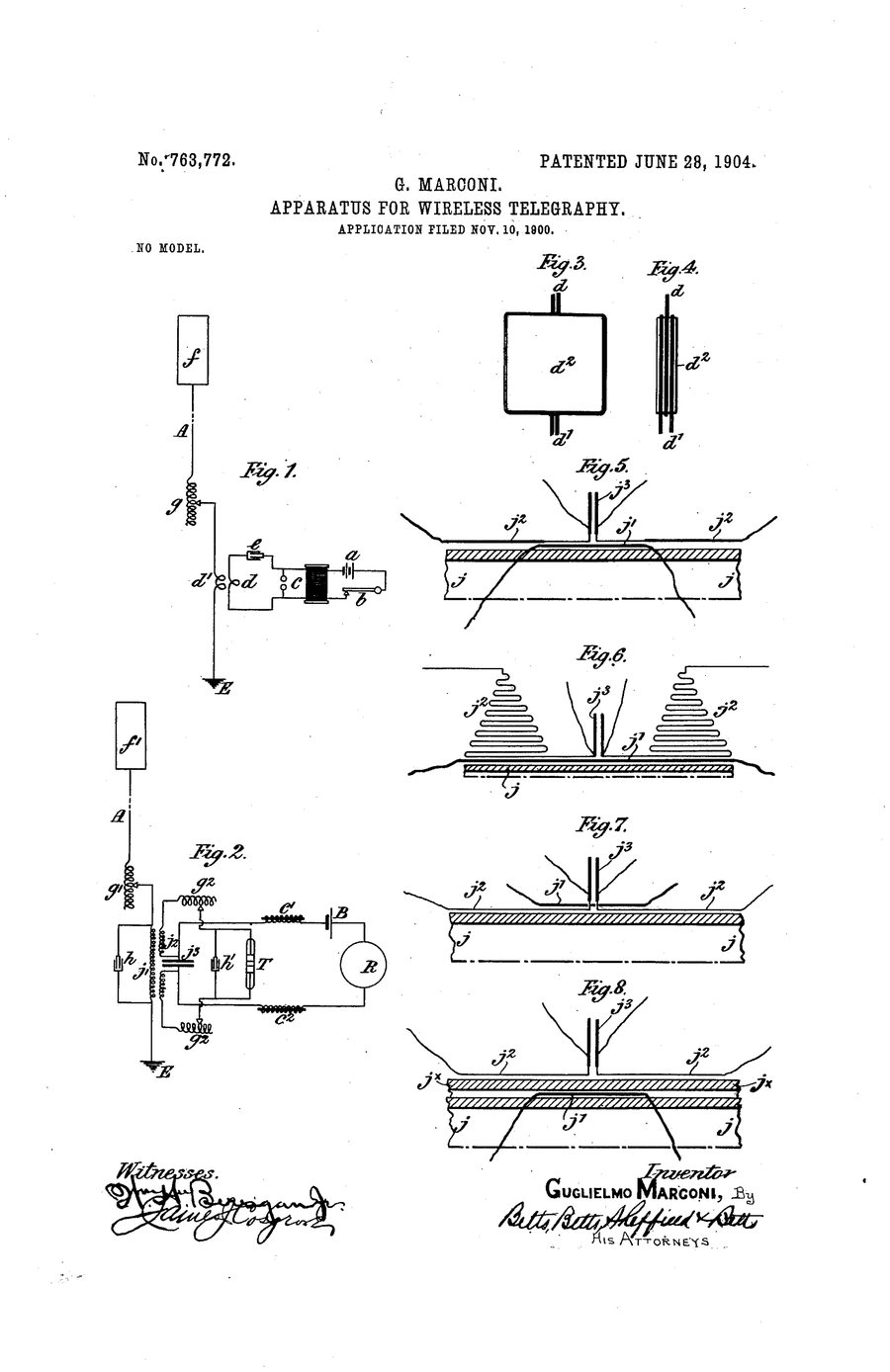
Excerpt of a document: U.S. Patent 763,772 (Marconi), drawing sheet. A real scanned page.
Exhibit 2U.S. Patent 763,772 (Marconi), drawing sheet. A real scanned page.

Swipe sideways to read the full line.

2:41

What does "anticipated" mean here?

The government's argument, as one justice summed it up, was that tuning had been taught earlier by Tesla, Lodge and Stone. The Court went through those earlier patents one by one [1].

Tesla's patent, number 645,576, was applied for on Sept. 2, 1897, more than three years before Marconi filed. The Court says it shows four circuits, two at each end, all recommended to be tuned to the same frequency, and writes "Tesla thus anticipated" several features of Marconi's patent. That is the sentence a myth can grow from [1][3].

Oliver Lodge, of Liverpool, England, had applied in February 1898 for a patent with an adjustable coil, built to tune a wireless set [1][4].
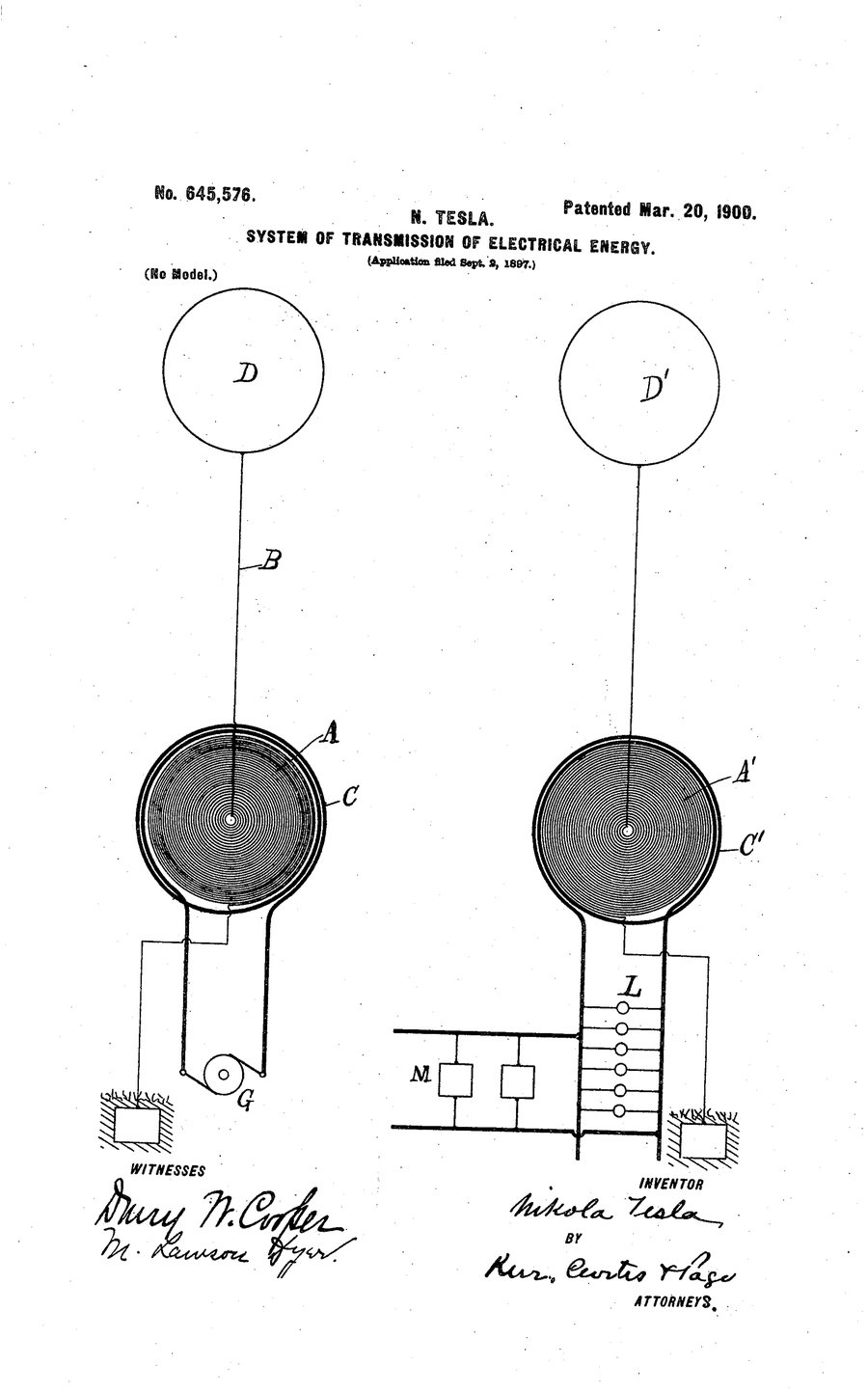
Excerpt of a document: U.S. Patent 645,576 (Tesla), drawing sheet. A real scanned page.
Exhibit 3U.S. Patent 645,576 (Tesla), drawing sheet. A real scanned page.

Swipe sideways to read the full line.

3:31

What was Tesla's patent for?

Read on. The Court calls his apparatus one "devised primarily for the transmission of energy," meaning power sent through the atmosphere to run devices. Tesla's own patent says it contemplates chiefly energy transmission for industrial purposes, and lists messages among "many other valuable uses" [1][3].

But the Court does not rest its decision on Tesla, or on Lodge. It rests it on a third man [1].
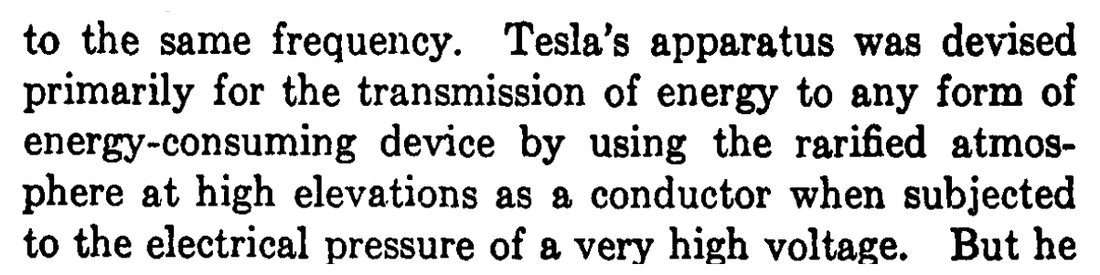
Excerpt of a document: Excerpt of the opinion in 320 U.S. 1 (1943): "Tesla's apparatus was devised primarily for the transmission of energy." A real scanned page, cropped.
Exhibit 1Excerpt of the opinion in 320 U.S. 1 (1943): "Tesla's apparatus was devised primarily for the transmission of energy." A real scanned page, cropped.

Swipe sideways to read the full line.

4:17

Who were the two men named Stone?

Two Stones are in this story: Harlan Fiske Stone, the Chief Justice, who wrote the opinion, and John Stone Stone, an inventor from Boston [1].

Stone applied for his patent on Feb. 8, 1900, nine months before Marconi. It shows four circuits, with adjustable tuning in the closed ones. His application did not say in so many words that the antenna circuits should be tuned. He wrote that in 1902, after Marconi had already filed [1][5].

So how could the Court count his date? The answer was in the mail. In June 1899, Stone wrote to a man named Baker, describing four circuits tuned "one to another and all to the same frequency." A month later he wrote that his transmitter was "practically the same as that employed by Tesla." The Court called those letters "convincing proof" [1].
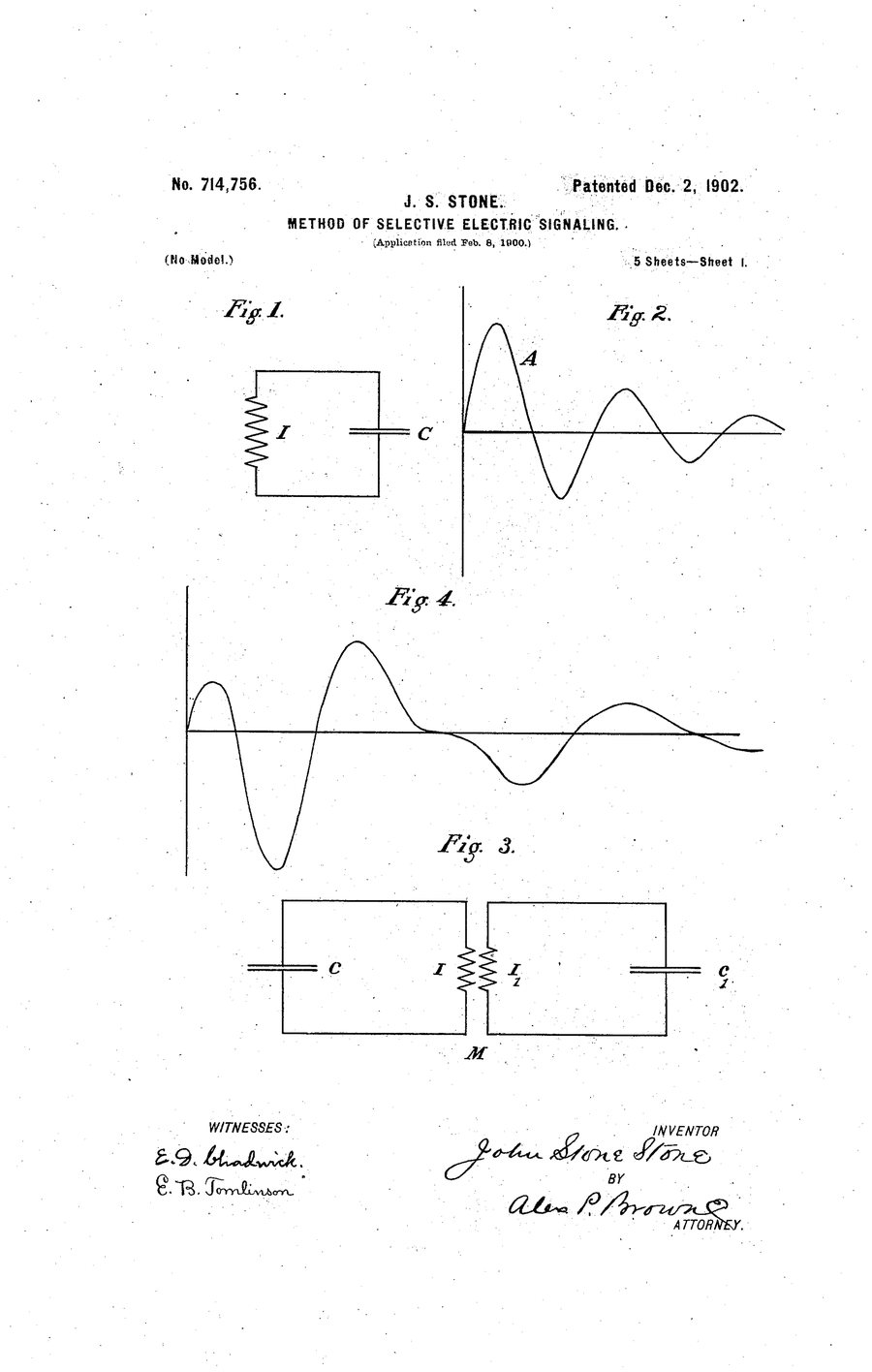
Excerpt of a document: U.S. Patent 714,756 (John Stone Stone), drawing sheet. A real scanned page.
Exhibit 5U.S. Patent 714,756 (John Stone Stone), drawing sheet. A real scanned page.

Swipe sideways to read the full line.
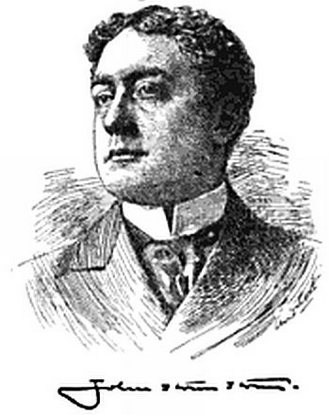
Portrait of John Stone Stone, 1910
John Stone Stone, 1910. Photo: J. D. Redding, public domain, via Wikimedia Commons.

5:42

What limit did the Court set?

The Court says it reached this result "without undertaking to determine whether Stone's patent involved invention." Stone was first on paper. The Court does not decide whether he invented anything that deserved a patent. It also says it did not need to decide whether Marconi added anything over Lodge, Tesla and Stone together [1].

Then comes a paragraph about Marconi himself. His reputation as the man who first achieved successful radio transmission, the opinion says, rests on his original patent, which is not before the Court. That reputation, "however well-deserved," does not entitle him to a patent for every later improvement. So the Court struck down the broad claims of a later Marconi patent and left his first patent alone [1].

6:37

What did the Court say about the Atlantic signal?

In December 1901 Marconi's signal crossed the Atlantic, from Cornwall to Newfoundland. Two of his engineers, the Court says, wrote that a major factor was much more power and higher antennas. The Court says both are agreed that, in the actual crossing, "tuning played no part." The receiving antenna was a wire held up by a kite, rising and falling with the wind [1].

In 1913 Marconi testified that, thanks to this patent, he had sent messages 6,600 miles. The Court answered that by then he had also raised the power, enlarged his antennas and added new parts, among them Fleming's vacuum tube. The success of the whole, it said, could not without further proof be credited to one feature [1].

The same ruling struck down a patent for Fleming's tube held by the Marconi Company. The Court did not say there was no invention. It said the company had waited ten years to correct an overreaching claim [1][6].
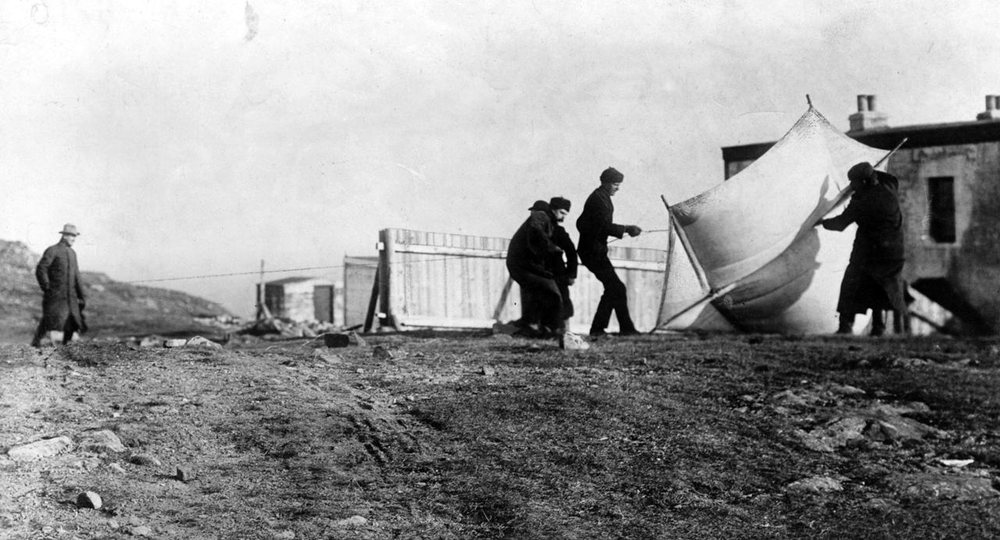
Marconi at Signal Hill, Newfoundland, December 1901
Marconi at Signal Hill, Newfoundland, Dec. 12, 1901. Photo: James M. Vey, public domain, via Wikimedia Commons.

8:13

What do the dissents say, and where is the footnote?

Three justices dissented in part: Justice Frankfurter, joined by Justice Roberts, and Justice Rutledge, alone [1].

In Justice Rutledge's dissent there is a footnote: "Tesla in fact did not use Hertzian waves." Hertzian waves are radio waves. The footnote goes on to say that Tesla's idea was to use twenty million to thirty million volts, at altitudes of thirty thousand to forty thousand feet or more, with balloons carrying wires down to the ground, and that his system was "really one for transmitting power." That is not the Court's voice. It is a footnote in a dissent [1].

The majority describes him differently: his apparatus, it says, "was intended to operate at radio frequencies." Same volume, same case, two readings of Tesla, and neither decides who invented radio, because that was never the question the case asked [1].
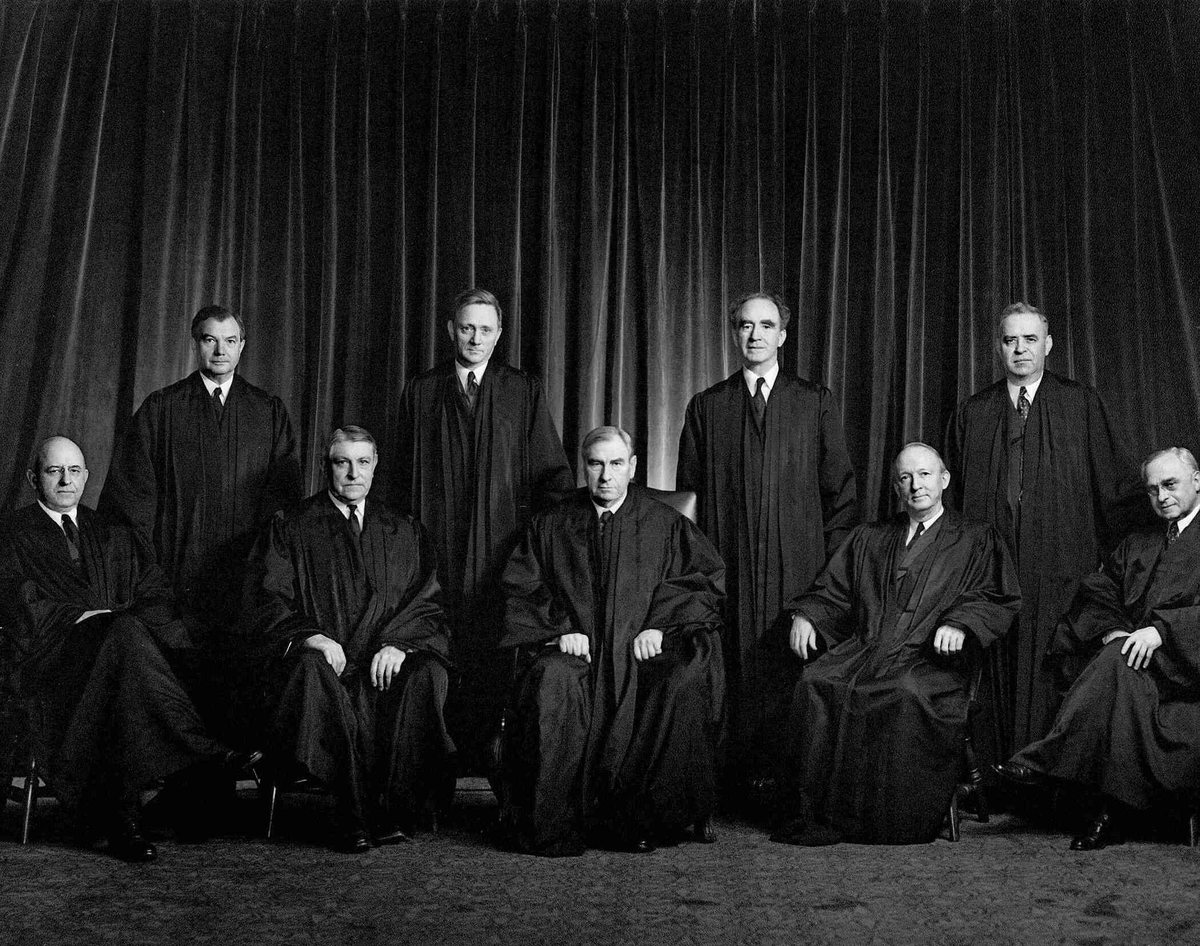
The Supreme Court of the United States as seated in October 1943, marked as an illustration
ILLUSTRATION: the Court as seated in October 1943, after this ruling. Supreme Court of the United States, public domain, via Wikimedia Commons.

9:37

What happened to the one claim Marconi won?

The Supreme Court did not confirm claim 16 either. It vacated that part of the judgment and sent it back, because the Court of Claims had not looked at two earlier patents, by Pupin and Fessenden, in connection with the claim. What the Court of Claims did on remand, we could not find in a primary source [1].

Justice Frankfurter saw the main question the other way. He wrote that Marconi had hit on something "that had eluded the best brains of the time," and named three: Maxwell, Oliver Lodge and Nikola Tesla, who did not have the "flash." So Tesla stands in those pages as an earlier patent in the majority, a footnote in one dissent, and a man of genius without the flash in the other. In none of them is he given the title [1].

It struck down the broad claims of one Marconi patent, and it named the man who got there first on paper, John Stone Stone. Whether his patent was even an invention, the Court left unanswered. The Supreme Court never named the father of radio.

Questions people ask

Was Tesla alive when the Supreme Court ruled?

The ruling is dated June 21, 1943. Tesla had died five months earlier, a fact reported by secondary sources [1][7].

How many years did the Marconi lawsuit last?

The Marconi Company sued the United States on July 29, 1916. By the time the Supreme Court ruled, the case had lasted almost twenty-seven years [1].

Did the Supreme Court take away Marconi's credit for radio?

No. The opinion says his reputation rests on his original patent, which was not before the Court, and that his reputation, "however well-deserved," does not entitle him to a patent for every later improvement [1].

How much did the Court of Claims award the Marconi Company?

In the patent at the center of the suit, number 763,772, the Court of Claims held every claim in suit invalid except claim 16, for which it awarded the Marconi Company $42,984.93, with interest. The Supreme Court vacated that part of the judgment and sent it back [1].

Was Marconi's first radio patent part of this case?

Marconi's first radio patent, from 1897, is not in this case [1][6]. The Court struck down the broad claims of a later Marconi patent and left his first patent alone [1].

The exhibits

Every source used in the film, numbered as in the video description. Seven sources, plus the documents we could not read.

  1. 1Marconi Wireless Telegraph Co. of America v. United States, 320 U.S. 1 (1943), opinion of the Court (Chief Justice Stone) and the opinions of Justice Frankfurter and Justice Rutledge, partly dissentingtile.loc.gov Read at the source
  2. 2U.S. Patent 763,772 (Marconi, filed Nov. 10, 1900)patents.google.com Read at the source
  3. 3U.S. Patent 645,576 (Tesla, filed Sept. 2, 1897)patents.google.com Read at the source
  4. 4U.S. Patent 609,154 (Lodge, filed Feb. 1, 1898)patents.google.com Read at the source
  5. 5U.S. Patent 714,756 (John Stone Stone, filed Feb. 8, 1900)patents.google.com Read at the source
  6. 6U.S. Patent 586,193 (Marconi, 1897) and U.S. Patent 803,684 (Fleming)patents.google.com (1) patents.google.com (2) Read at the source
  7. 7A. David Wunsch, "Misreading the Supreme Court: A Puzzling Chapter in the History of Radio" (it quotes a 1984 newspaper article); Physics Today, "Nikola Tesla (1856-1943)" (date of death); the Nobel Prize site (Marconi's death, 1937); ETHW, Reception of Transatlantic Radio Signals, 1901mercurians.org Reported

Not read

  • The Court of Claims decision of 1935, known to us only through the Supreme Court's description of it.
  • What the Court of Claims did after the case was sent back. We could not find it in a primary source.

What the documents do and do not say

  • The Court says "Tesla thus anticipated" several features of one Marconi patent. It does not say Tesla invented radio [1].
  • The result against Marconi's broad claims rests on Stone's application and letters, not on Tesla [1].
  • The Court did not decide whether Stone's patent involved invention [1].
  • The footnote about balloons is in Justice Rutledge's partial dissent. It is not the Court's voice [1].
  • What the Court of Claims did after the case was sent back is not in any primary source we found [1].
  • Marconi's death in 1937 and Tesla's in January 1943 are reported by secondary sources only [7].

The channel reports what the documents say; it does not decide the case.

Credits

Documents: pages of the U.S. Reports (Library of Congress scan) and U.S. patents, all public domain.

Photos via Wikimedia Commons, public domain: Nikola Tesla by Napoleon Sarony, about 1893; Guglielmo Marconi by Pach Brothers, 1908, Library of Congress; Marconi at Signal Hill, Newfoundland, by James M. Vey, 1901; John Stone Stone by J. D. Redding, 1910; the Supreme Court as seated in October 1943, Supreme Court of the United States (marked ILLUSTRATION).

Music: "Glimpsing Infinity", "Exploring The Crystal Caves", "Lament Of The Ancients" and "Faultlines" by Asher Fulero, from the YouTube Audio Library.

Narration is AI-generated from an original script. Every document shown is a real page, a labeled excerpt or a labeled typed card. People appear only in real photographs. The film uses no AI-generated images. One scene, the December 1901 crossing, is a computer-drawn 3D globe, not a photograph. The channel does not say who invented radio; it reports what the Court wrote.